
Tired of heavy, unreliable camping gear? A heavy pack can ruin your hike. Titanium seems perfect, but it has hidden secrets you need to know before you buy.
Titanium camping gear is incredibly lightweight, strong, and corrosion-resistant1, making it ideal for backpacking. However, its main drawbacks are the high cost and poor heat distribution, which can lead to hot spots and burnt food when cooking. Understanding these trade-offs is key to choosing wisely.
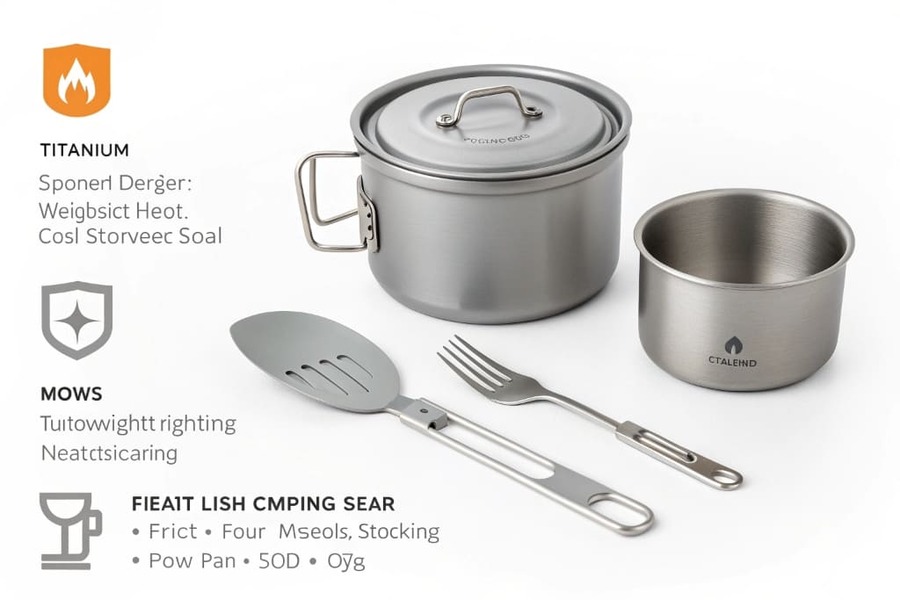
I've spent over a decade in the titanium manufacturing industry. I've seen firsthand what makes this material so special, but I've also seen where it falls short. It’s not just about the shiny metal; it's about performance in the wild. Let's break down the real pros and cons so you can make an informed decision for your next adventure or your brand's next product line.
Why is Titanium So Incredibly Popular for Camping?
Worried your gear won't survive the next trip? Heavy pots and pans make every step a struggle. You need equipment that is both tough and feather-light for the trail.
Titanium is popular because it has the highest strength-to-weight ratio2 of any metal. This means your gear is exceptionally durable without adding bulk to your pack. It's also biocompatible and will never rust3 or corrode, ensuring it lasts for years of use.
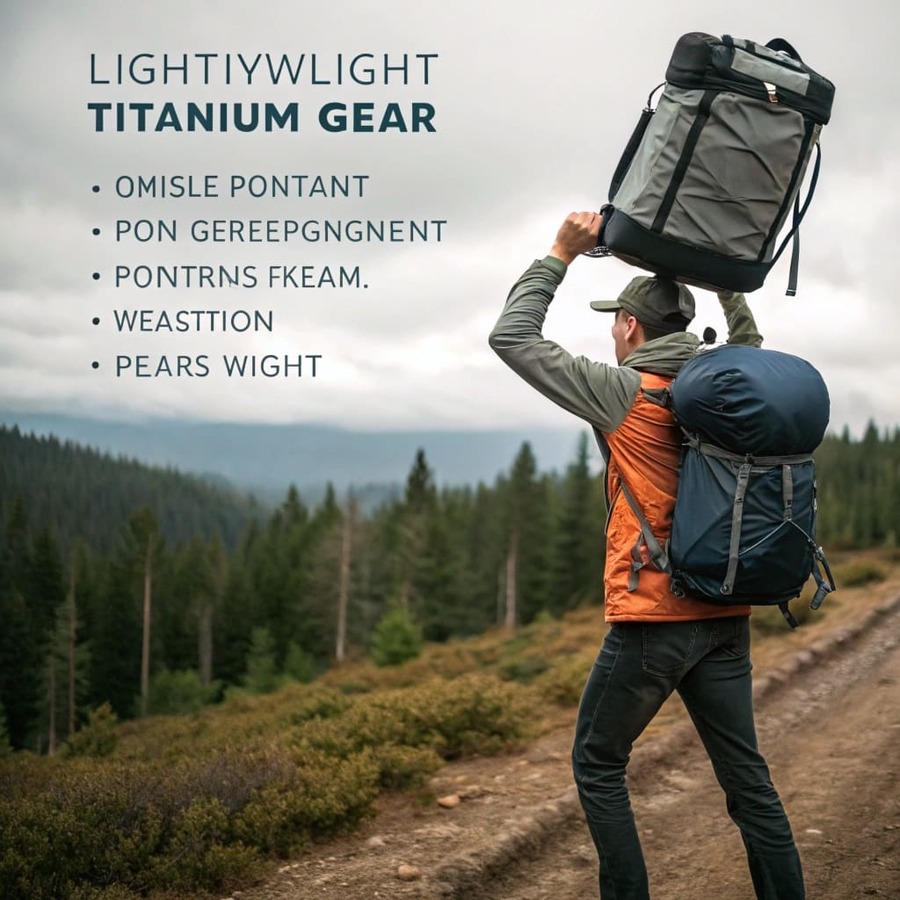
The appeal of titanium goes far beyond just being "light." I remember talking to a brand manager from a major US outdoor company. He told me their number one customer complaint was bent aluminum sporks and dented steel pots4. When they switched to a line of titanium cutlery we developed for them, those complaints vanished. This is because of titanium's unique properties. This isn't just a marketing gimmick; it's pure material science that directly impacts your experience on the trail. Let’s look closer at why it makes such a difference.
Strength Where It Counts
Titanium is as strong as steel but about 45% lighter. This means you can have a pot that resists dents and a fork that won’t bend when you’re digging into a tough, freeze-dried meal. For backpackers counting every gram, this is a game-changer.
The Corrosion-Proof Advantage
It's also completely resistant to rust and corrosion from acids in food or salty air. You can leave it wet, cook tomato-based meals in it, and it will not pit or degrade. This makes it a "buy it for life" kind of material.
| Feature | Titanium | Stainless Steel | Anodized Aluminum |
|---|---|---|---|
| Weight | Ultralight | Heavy | Lightweight |
| Strength | Very High | High | Medium-Low |
| Corrosion Resistance | Excellent | Good | Fair (coating can scratch) |
| Biocompatibility | Excellent | Good | Fair (coating concerns) |
What are the Hidden Downsides of Titanium Gear?
Ever burned your camp dinner in a new, expensive pot? It's frustrating when gear doesn't perform as expected. You need to know the limitations before you invest your money.
The main downsides of titanium are its high price and poor thermal conductivity5. It heats up unevenly, creating hot spots that can easily burn food. This makes it less ideal for complex cooking and better suited for boiling water or simple meals.
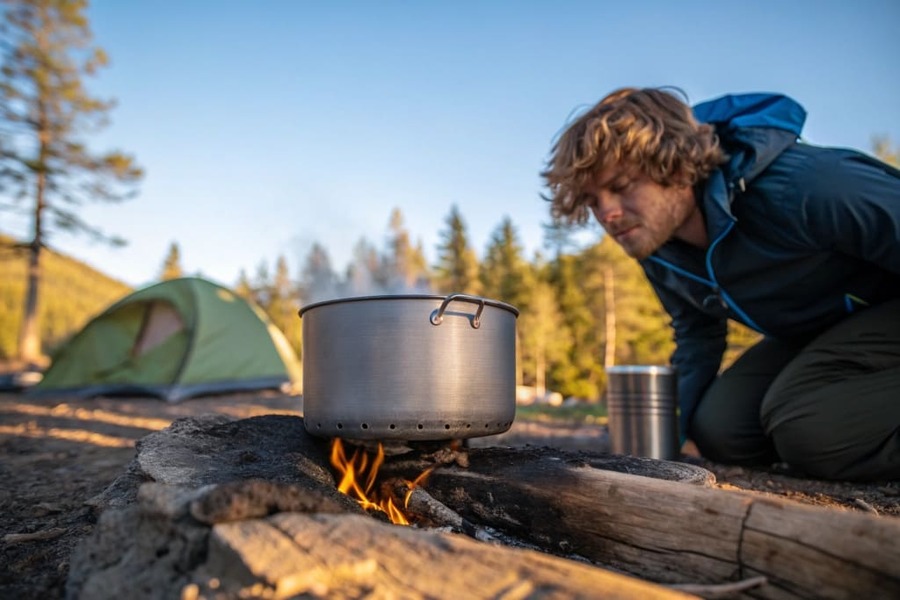
Nothing is perfect, and titanium is no exception. As a manufacturer, we are very transparent with our clients about these trade-offs. It's crucial for brand managers to understand this so they can position their products correctly and manage customer expectations. The two biggest issues are heat distribution and cost. I once took a prototype titanium pan on a trip, thinking I could fry some fish. The result was a half-raw, half-charred mess. It was a good lesson. The material's properties dictate its best use.
The Hot Spot Problem
Titanium doesn't spread heat well. If you put a titanium pot on a small camp stove, the spot directly over the flame gets very hot while the rest of the pot stays cooler. This is why it's amazing for boiling water quickly6 but terrible for simmering a sauce or frying an egg. Your food will likely stick and burn in one spot. For brands, this means marketing titanium pots as "boil-masters" rather than "gourmet-cookers" is key to customer satisfaction.
The Price Tag
Why is it so expensive? The raw material is more costly7, and it’s much harder to machine and weld than steel or aluminum. It requires specialized equipment, a controlled environment, and highly skilled labor, all of which add to the final price. For a procurement manager, balancing this high cost against the benefits of durability and light weight is a constant challenge.
How Do I Choose the Right Titanium Gear for My Needs?
Confused by all the gear options? Choosing the wrong item can be a costly mistake. You need a simple way to decide what’s truly essential for your trips.
Choose titanium for items where weight and durability are most critical, like mugs, sporks, and water-boiling pots. For items where even heat is important, like a frying pan, you might consider anodized aluminum. Always match the material's strengths to your primary camping activity.
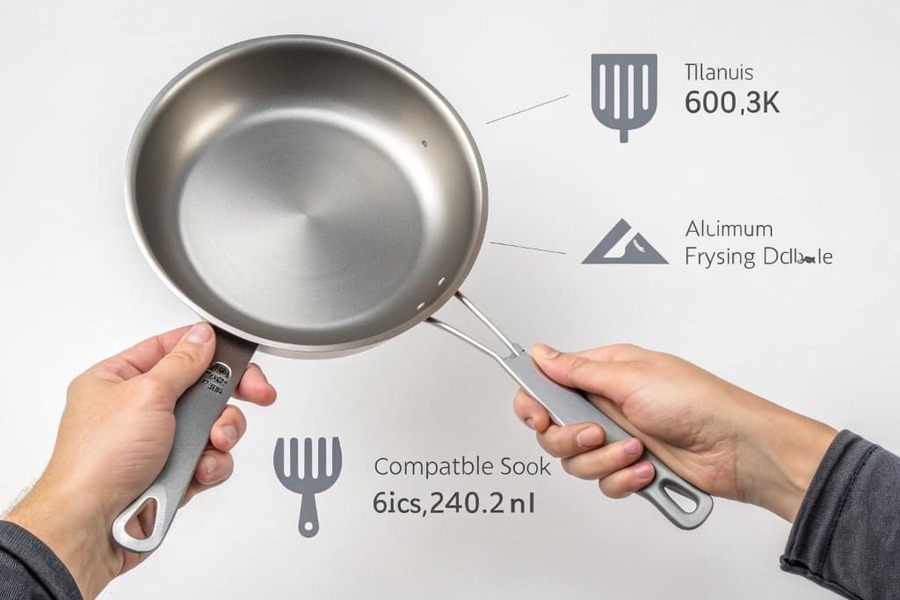
Making the right choice is about aligning the gear with your camping style8. We often advise our clients—the brands you see in stores—on how to build a smart product range that serves different customer needs. The same logic applies to you. Ask yourself one simple question: "What is the main job of this piece of gear?" Answering this honestly will save you money and frustration. Don't buy a tool for a job it wasn't designed to do.
Prioritize by Function
If the main job is just to be a container or a simple tool, titanium is a winner. Mugs, plates, bowls, and cutlery benefit hugely from being light and indestructible. For a pot, if its job is 90% boiling water for coffee or dehydrated meals, titanium is perfect. Its speed in boiling water will save you fuel and time, which are both precious resources on a long trek.
When to Consider Alternatives
If you dream of cooking pancakes or sautéing vegetables at camp, a titanium frying pan will likely lead to frustration. In this case, a hard-anodized aluminum pan9 with better heat distribution is a smarter choice, even if it's a bit heavier. It's about having the right tool for the job.
Here’s a simple guide to help you decide:
| Camping Activity | Best Use for Titanium | Consider Alternatives For |
|---|---|---|
| Ultralight Backpacking | Pot (for boiling), Mug, Spork | Frying Pan (use aluminum) |
| Car Camping | Mug, Plate (for durability) | Cookset (weight is less critical) |
| Gourmet Camp Cooking | Not the primary choice | Frying Pan, Dutch Oven |
Conclusion
Titanium gear offers amazing strength and low weight but comes at a high price with poor cooking performance. Choose wisely based on your specific needs for the best experience.
Understanding these properties helps you appreciate why titanium is favored for camping gear, ensuring durability and longevity in harsh conditions. ↩
Knowing this ratio can help you understand why titanium is a top choice for those needing durable yet lightweight gear for outdoor adventures. ↩
Exploring these properties can assure you of titanium's safety and longevity, making it a reliable choice for long-term use in various environments. ↩
Learning about titanium's durability can help you avoid common issues with other materials, ensuring your gear remains functional and intact. ↩
Understanding this limitation can help you make informed decisions about cooking gear, avoiding burnt meals and enhancing your camping experience. ↩
Knowing this can help you select the right gear for quick and efficient meal preparation, saving time and fuel on the trail. ↩
Understanding the cost can help you weigh the benefits of investing in titanium gear, ensuring you make a cost-effective decision. ↩
Learning this can help you choose the right gear for your specific needs, enhancing your overall camping experience. ↩
Knowing when to opt for aluminum can help you make better cooking choices, ensuring even heat distribution and better meal outcomes. ↩