
Tired of a heavy pack ruining your hike? Standard cookware weighs you down. Imagine a lighter load, letting you enjoy the journey more. That's the titanium promise.
Titanium cookware is a hiker's favorite because it's incredibly lightweight, strong, and corrosion-resistant1. This combination means you carry less weight without sacrificing durability, making your outdoor adventures much more enjoyable and your gear last longer.
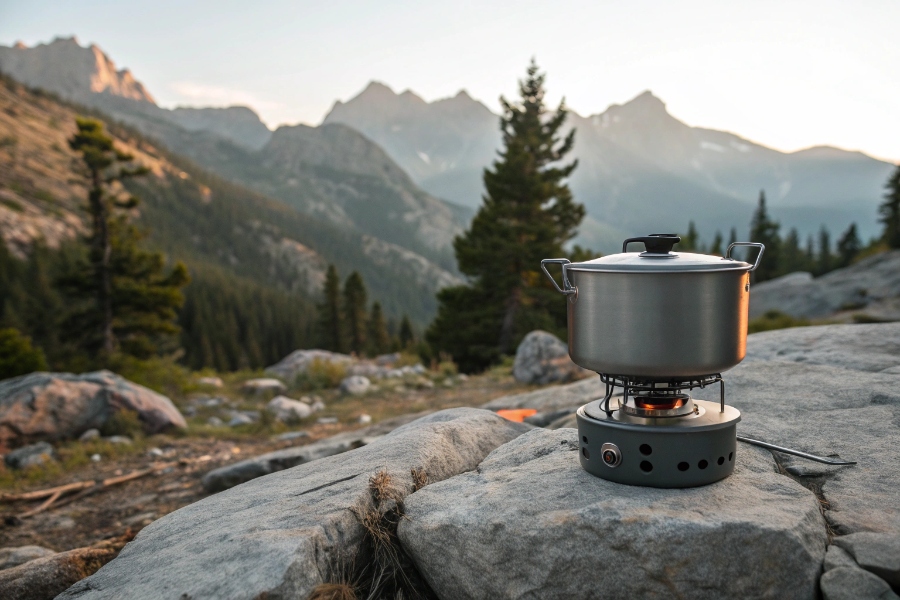
I remember my first long-distance hike. My pack felt like it was filled with bricks, and my cheap aluminum pot was dented by day two. It made me wonder if there was a better way. After switching to titanium, I never looked back. But the benefits go far beyond just feeling a little lighter on your feet. Let's break down exactly what makes this material so special for anyone who loves the great outdoors.
Does a Lighter Pot Really Make a Difference on the Trail?
Are you counting every gram in your backpack? Traditional pots add significant weight. A few ounces saved here and there can make your entire trek feel easier and more enjoyable.
Yes, a lighter pot makes a huge difference. Titanium is about 45% lighter than steel and much stronger than aluminum for the same weight. This weight saving reduces fatigue, increases your hiking range, and allows you to carry more essentials like food or water.
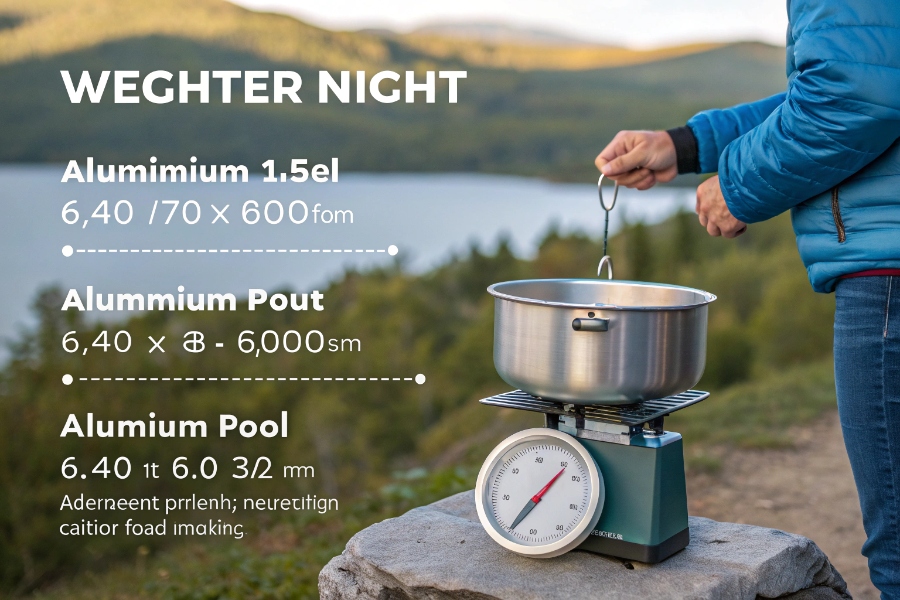
When you're hiking for days, every single ounce matters. We call the weight of our gear, minus consumables like food and water, our "base weight2." A lower base weight2 is the holy grail for backpackers. It reduces the strain on your back, knees, and shoulders, which means you can hike further with less pain. I made the switch to a full titanium cook set a few years ago before a week-long trip. The difference was immediate. My pack felt noticeably lighter, and I had more energy at the end of each day.
The Grams Add Up
It might not seem like much, but saving a few ounces on your pot, mug, and spork adds up. This allows you to either enjoy a lighter pack or carry an extra luxury item, like a better camera or a bit more food. Titanium’s incredible strength-to-weight ratio3 is what makes this possible. You get the strength of steel without the heavy penalty.
Material Weight Comparison
Let's look at how it compares. A typical 750ml pot made from different materials will have vastly different weights.
| Material | Average Weight (750ml Pot) | Key Characteristic |
|---|---|---|
| Titanium | ~100-130g | Best strength-to-weight ratio3 |
| Anodized Aluminum | ~170-200g | Good heat conductor, but less durable |
| Stainless Steel | ~250-300g | Very durable, but very heavy |
This table shows it clearly. Choosing titanium can cut your cookware weight by half compared to stainless steel. That is a significant saving that you feel with every step on the trail.
Can Titanium Gear Withstand the Roughest Adventures?
Worried about your gear breaking in the middle of nowhere? Flimsy pots get dented and scratched easily. You need cookware that can handle being dropped, scraped, and stuffed in a pack.
Absolutely. Titanium is exceptionally strong and durable4, resisting dents, scratches, and corrosion5 far better than aluminum. It won't rust like some steel, ensuring it can handle the toughest conditions and last for many years, making it a reliable long-term investment.
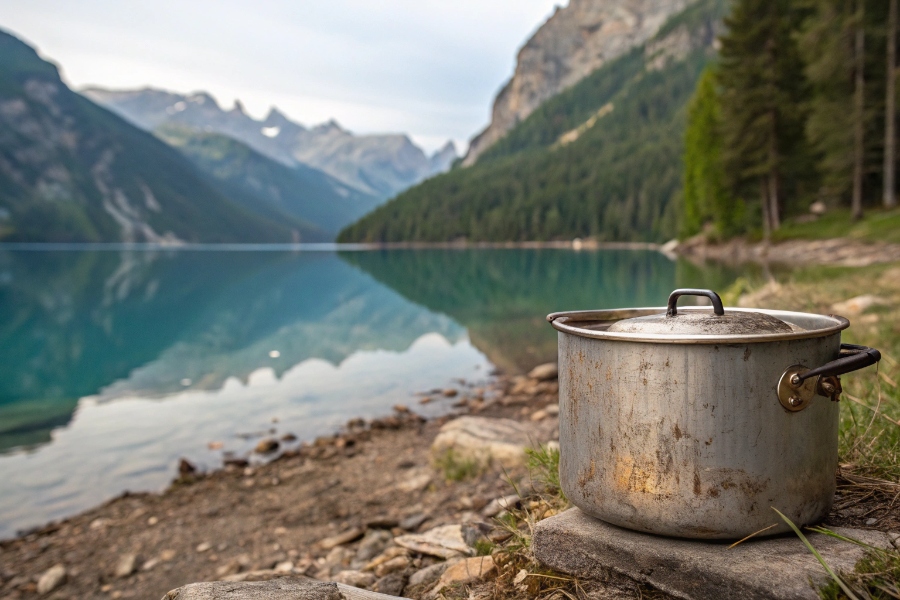
Outdoor gear has a tough life. It gets crammed into packs, dropped on rocks, and exposed to all kinds of weather. You need to trust that it won't fail you when you're miles from civilization. Durability isn't a luxury; it's a necessity. My personal experience proves this. I once accidentally dropped my titanium pot down a rocky slope. My heart sank. I was sure it would be unusable. After scrambling down to retrieve it, I was amazed to find only a minor scratch and a tiny ding. My old aluminum pot would have been crushed flat. That moment sold me on titanium's toughness for life.
Strength Beyond Its Weight
The magic of titanium is that it provides this incredible durability without being heavy. Its high strength means it can be made with very thin walls, which saves weight, but it won't bend or dent easily like aluminum. It has a 'material memory6' that helps it spring back into shape from minor impacts. This resilience means your investment will survive years of hard use on the trail.
Resisting the Elements
Titanium is also highly resistant to corrosion. It forms a stable, protective oxide layer on its surface that prevents it from rusting, even in salty or acidic conditions. This is a huge advantage over some types of stainless steel that can eventually show rust spots. It also means you don't have to worry about acidic foods, like tomato-based sauces, damaging the pot's surface over time. Your gear stays reliable and safe, trip after trip.
Is Cooking with Titanium Actually Safe and Healthy?
Concerned about chemicals leaching from your cookware? Some materials can affect the taste of your food or pose health risks. You deserve peace of mind when eating in the wild.
Yes, titanium is one of the safest materials for cookware. It is biocompatible and non-toxic7, meaning it doesn't react with food or leach harmful chemicals, even with acidic ingredients. This ensures your meals taste pure and are completely safe to eat.
What you cook your food in is just as important as the food itself, especially when it comes to health. Many people worry about coatings flaking off or metals leaching into their meals. This is a valid concern. The great thing about titanium is that it is completely inert and biocompatible. This is the same reason it's trusted for medical implants inside the human body—it simply doesn't react with its environment.
A Pure Taste Experience
I used to notice a faint metallic tang in my morning coffee when I used my old aluminum mug, especially if I let it sit for a while. It was subtle, but it was there. After I switched to a titanium mug, the coffee tasted clean and pure, just like it does from a ceramic mug at home. Because titanium doesn't react with acids or bases, your food and drinks taste exactly as they should. There is no metallic transfer, which makes every meal on the trail more enjoyable.
Non-Toxic and Inert
Unlike some cookware that relies on non-stick coatings, pure titanium has no coating to scratch or flake off into your food. It is a solid, stable material through and through. You can scrape it with a metal spork without worrying about releasing harmful chemicals. This peace of mind is invaluable. You know that the hot meal you're enjoying after a long day of hiking is not only delicious but also perfectly safe and healthy for your body. This makes titanium the perfect choice for health-conscious adventurers.
How Does Titanium Actually Perform When Cooking Food?
Do you struggle with food burning in one spot while being cold in another? Thin pots create hot spots8, making cooking a frustrating chore. You need cookware that heats evenly.
Titanium heats up very quickly9 because it's thin. However, it doesn't distribute heat as evenly as aluminum, creating potential hot spots8. The key is to use a lower flame, stir frequently, and primarily use it for boiling water10 or simple one-pot meals.

Let's be honest about performance. No material is perfect for every single task. Titanium's biggest strength is also related to its main cooking challenge. Because the metal is thin and has lower thermal conductivity than aluminum, it heats up extremely fast right where the flame touches it. This is fantastic for boiling water10. But for more complex cooking, it requires a little technique.
The Hot Spot Challenge
This rapid, localized heating can create "hot spots8." If you're trying to simmer a thick stew or fry an egg, the food directly above the flame can burn before the food on the sides is even warm. I learned this the hard way and ended up with a patch of burnt noodles at the bottom of my pot. But once you understand this characteristic, you can easily work with it. It’s not a flaw, just a feature of the material that you need to manage.
Mastering Your Titanium Cookware
The key is control. Use a stove that allows for fine flame adjustment and keep the heat lower than you normally would. Stir your food constantly to distribute the heat manually. For most backpackers, cookware is mainly for boiling water10 to rehydrate freeze-dried meals, and for this, titanium is the undisputed champion. It will bring your water to a boil faster, saving precious fuel.
| Cooking Task | Titanium Performance | Tip |
|---|---|---|
| Boiling Water | Excellent (Very Fast) | Use a lid to maximize speed and fuel efficiency11. |
| Rehydrating Meals | Very Good | Bring water to a boil, turn off the heat, then stir in food. |
| Frying/Sautéing | Challenging | Use very low heat, plenty of oil, and stir constantly. |
By playing to its strengths, titanium cookware becomes an efficient and reliable tool for 99% of trailside cooking needs.
Conclusion
Titanium gear is the ultimate choice for hikers12. Its blend of low weight13, incredible strength, and safety14 makes every trip lighter, safer, and more enjoyable for years to come.
Learn how titanium's corrosion resistance ensures durability and longevity, making it a reliable choice for outdoor adventures. ↩
Understand the significance of base weight in backpacking and how titanium cookware contributes to a lighter, more efficient pack. ↩
Explore the impressive strength-to-weight ratio of titanium, offering durability without the heavy burden, perfect for hiking gear. ↩
Find out why titanium's strength and durability make it a top choice for cookware that withstands tough outdoor conditions. ↩
Learn about titanium's ability to resist physical damage and corrosion, ensuring long-lasting performance in the wild. ↩
Discover how titanium's material memory helps it maintain shape and resist damage, enhancing its durability for outdoor use. ↩
Explore the safety of titanium cookware, which is biocompatible and non-toxic, ensuring healthy meals during outdoor adventures. ↩
Learn about the hot spots challenge in titanium cookware and how to manage it for effective cooking outdoors. ↩
Discover the rapid heating capabilities of titanium cookware, ideal for boiling water efficiently during hikes. ↩
Find out why titanium cookware excels at boiling water quickly, saving fuel and time during hiking trips. ↩
Explore how titanium cookware's rapid heating and efficient boiling save fuel, making it ideal for long hikes. ↩
Find out why titanium gear is considered the best option for hikers, offering a blend of durability, safety, and lightweight convenience. ↩
Discover how titanium's low weight enhances hiking experiences by reducing pack burden and increasing mobility. ↩
Learn about the safety features of titanium cookware, including its non-reactive nature, for worry-free outdoor cooking. ↩